
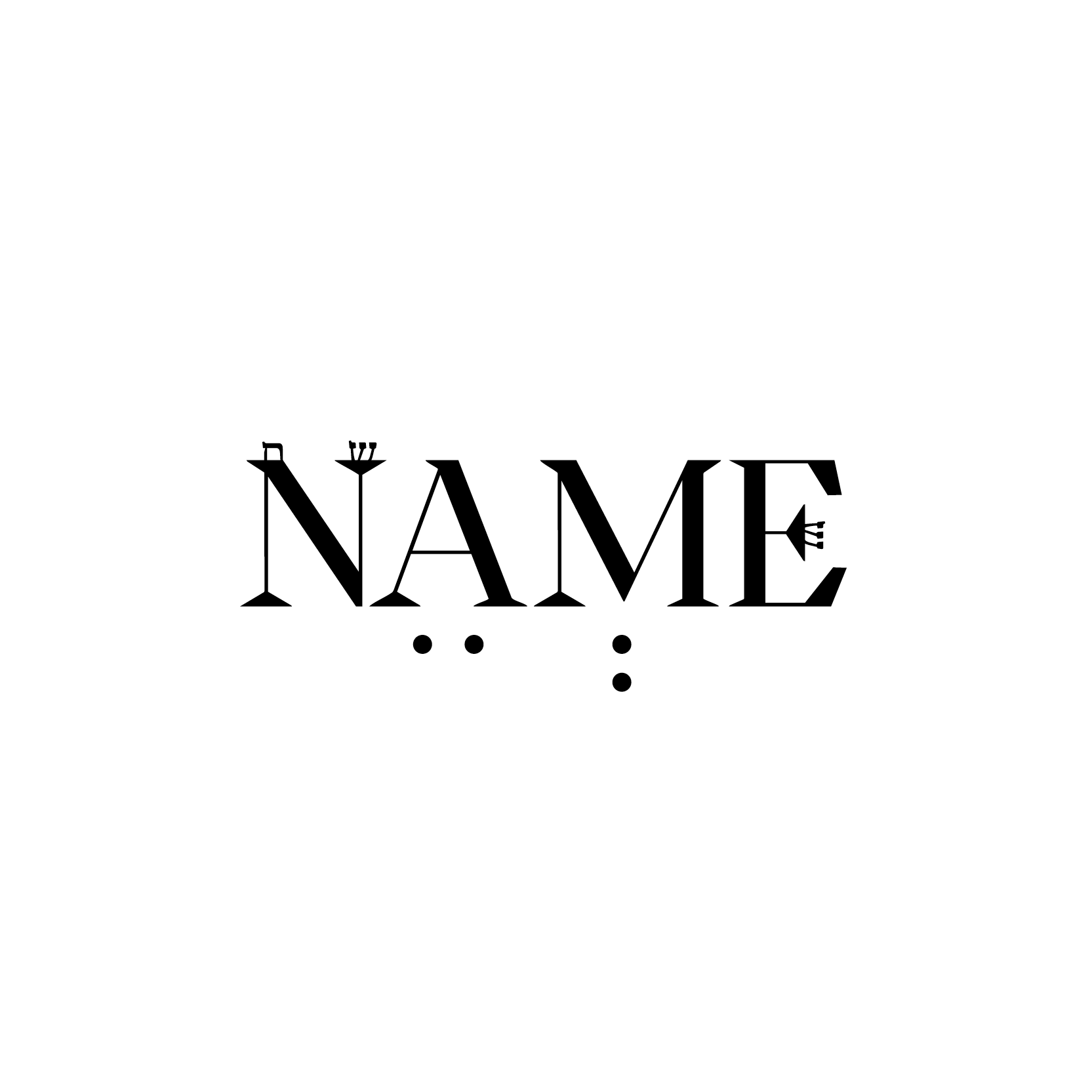
THE 2026 THEME IS NAME
This year at LABA, we will be jumping headlong into the potency and mystery behind names, considering how language both makes and distorts reality.
We will explore the act of naming, the act of being named, and humanity’s strange relationship with language overall. These fellows will create new work inspired by this exploration, which will be presented during our LABAlive in the fall.
For thousands of years, Jews have been obsessed with names, interrogating the relationship between language, existence, and consciousness. Assigning language to a particular person, place, thing, or feeling has never been, and will never be, a neutral act. To NAME is to give power, and to NAME is to give limits. According to some Jewish mystics, the world was created through the naming of things. “By means of the twenty-two letters, by giving them a form and shape, by mixing them and combining them in different ways, God made the soul of all that which has been created and all that which will be,” says the Sefer Yetsirah.
In the Torah, one’s name is often synonymous with one’s destiny, and a change of name can represent a profound shift. In the Talmud, we are warned against calling people bad names, which is seen as equivalent to the sins of murder and idolatry and is subject to divine prosecution. We are also forbidden from saying God’s presumed actual name, while one of the things we are allowed to call God is, evocatively, “The Name.” Meanwhile, Maimonides believed there is, and never will be, an adequate name or language to describe God.
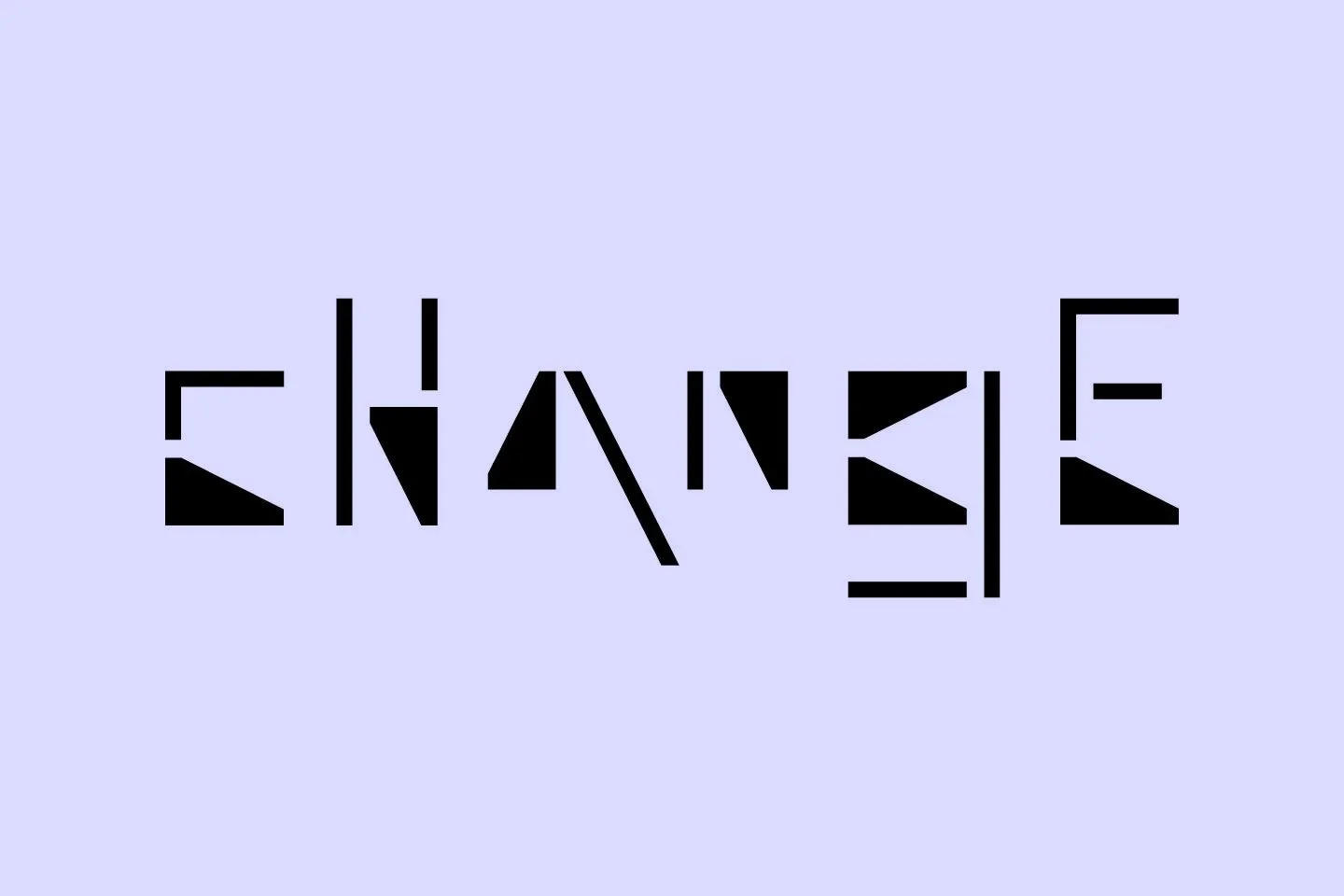
THE 2025 THEME IS CHANGE
Our relationship with change reaches in two, oppositional directions. We fear change, loathe change, desire to keep things as they are or reverse things to how they used to be. We long to return to mythical homelands, to gardens, our childhoods, to the people and communities and places we knew before change happened. And yet, what is our lives if not constant change, or the pursuit of constant change? The, to borrow from our Buddhist friends, permanence of impermanence? Changes in our moods, changes in our bodies, changes in our levels of enlightenment, sometimes premeditated, sometimes sought out through the embrace of new experiences. We subject ourselves to unpredictability with the hope that we will be changed, if only for this moment, if only forever.
As culture-makers, we simultaneously pursue change of words, materials, musical notes, ideas, sensibilities, and warn others of easy, shallow change. Change, real change, is never so simple. In Jewish culture, we also toggle between a resistance to change and embrace of constant flux – laws, ideas, customs, and feelings are simultaneously fixed and malleable, altered through careful deliberations as well as dreams and intuitions. Medieval scholar Maimonides believed the Torah was immutable. Meanwhile, Spanish Jewish mystics believed that truth was mutable, and every era demands a new approach to the Torah.

THE 2024 THEME IS NIGHT
What only comes out at NIGHT.
NIGHT, in the Jewish imagination, is both a matter of time and a state of mind.
Our days begin at night, the arrival of three stars is our first sign of tomorrow. Our calendar is lunar, our months and years obsessively coordinated with the waxing and waning of the moon. Our festivals are backlit by the orb at its fullest.
Night is more than a time marker, however. It is also a paradoxical psychological state, when urges too messy, too irrational, and too wild for the day emerge, whether through dreams or behaviors or habits or the thoughts that only voice themselves at 3 am. Night is obscurity, but it is also clarity. Night is freedom, but it is also sometimes cruelty. Only in darkness can some truths be revealed. The cosmos began with night, and from night the very atoms humming our bodies came. We can never know ourselves fully, as a person or a people, without a deep understanding of night.
This year at LABA we will explore the theme of NIGHT in the ancient Jewish canon. We will look at how and why NIGHT anchors us, liberates us, terrifies us through a study of evocative stories from the Torah, Talmud, Mishnah, Zohar and more. We will study how the separation of day and night marks the beginning of the world, the way dreams inform reality, what night does to the mind and soul, and epic, history-changing nights in Jewish cultural history. We will also consider the role of NIGHT in the life of culture-makers, and the ways in which culture-makers are the "NIGHTS" of people -- truth-tellers, tricksters, beauty-makers, and deep sea subconscious divers.

THE 2023 THEME IS TABOO
Clean. Dirty. Sacred. Profane. Okay. Not okay. We moderns like to think we are better than this. That we see beyond these moral categories and inhabit a muddied middle ground, an infinite gray area, in which life, people, things, are complicated. But the reality is we are no less strangers to the concept of taboo than our ancient ancestors, whose understanding of life took shape through an articulation of boundaries. We are, always and forever, people who do and people who don’t.
From the moment Eve bit into the forbidden fruit, there has never been, and never will be, human psychology or collective existence without taboos. We need them to know what to say yes to and no to. And, equally important, we need them to have something to transgress. Taboos are a central component of the Jewish psyche and the artist’s psyche. These boundaries and borders illuminate truths, foment desire, and articulate fear and shame. They are the bridges between the subconscious and conscious, which make them some of the sharpest tools we have in our meaning-making toolkits.